
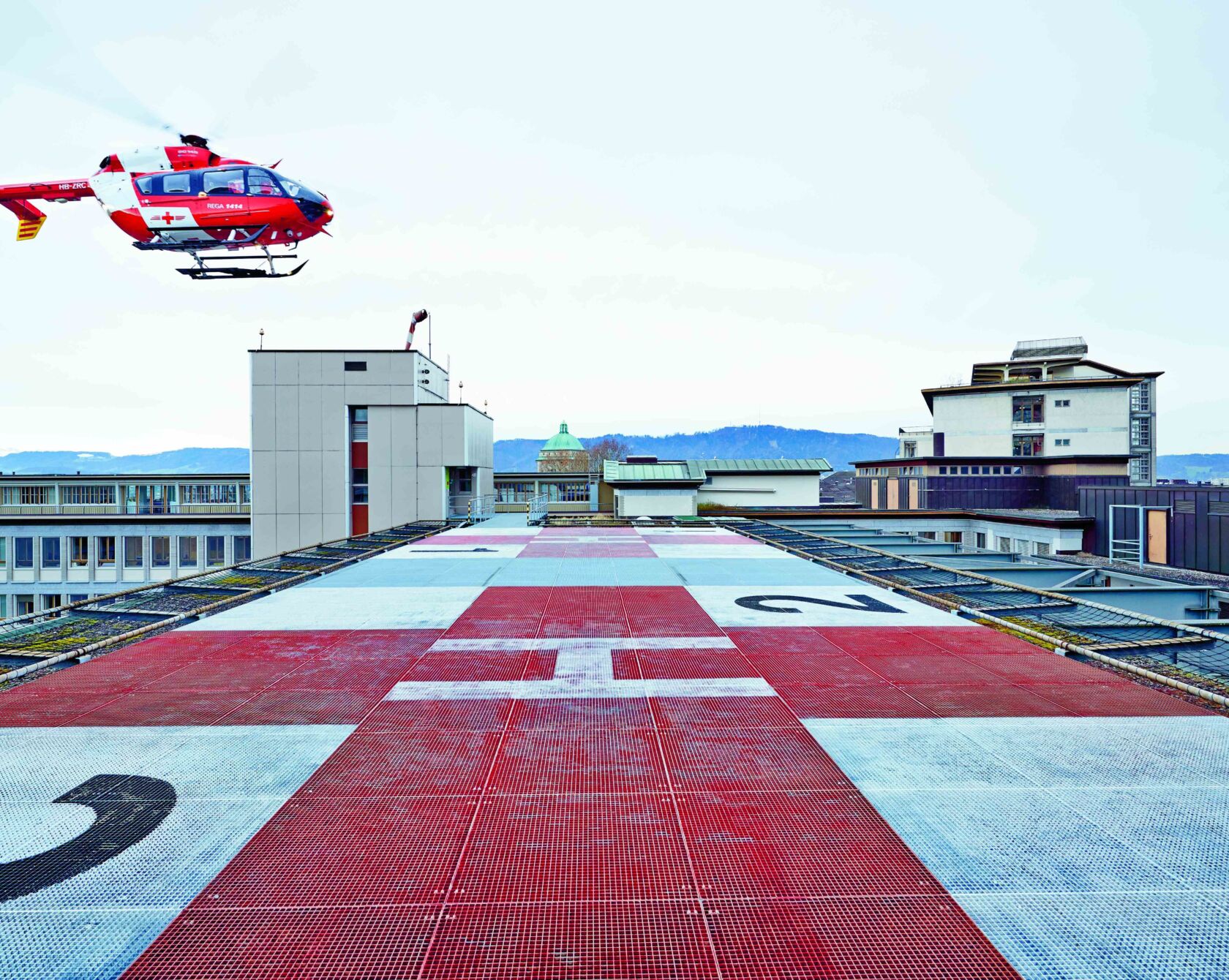
Follow the patient.
From rescue and initial assessment to surgery, intensive care and rehabilitation, decisions are considered within the patient’s entire course of treatment.
Polytrauma Course / Trauma Academy
Bringing expertise together across the entire trauma journey. International, interdisciplinary education from the injury site to rehabilitation.
ECTES 2027 precongress course · 22–23 AprilEndorsed by the international
surgical community


Beyond the first hour
Complex injuries call for connected expertise.
The Polytrauma Course brings together general and visceral surgeons, orthopaedic trauma surgeons, neurosurgeons, intensivists and emergency physicians. Together, we explore care across the full hospital journey and beyond.
Lectures, case discussions and practical sessions connect disciplines around one shared focus: the multiply injured patient.
Get to know the courseA continuum of care
One course concept.
From rescue to recovery.
Rescue & transfer
Initial assessment
Surgical care
Ongoing treatment
Continued recovery
Life beyond hospital
Our curriculum & philosophy
The whole patient, across every phase of care.
Our curriculum connects the recurring themes of our national and international programmes: understanding polytrauma, setting priorities, coordinating treatment and supporting recovery. It develops clinical reasoning through evidence-informed lectures and discussion across specialties.
From rescue and initial assessment to surgery, intensive care and rehabilitation, decisions are considered within the patient’s entire course of treatment.
Surgeons, emergency physicians, anaesthesiologists and intensivists bring their perspectives into the same discussion. Trainees and experienced specialists learn with and from one another.
Case discussion is a recurring thread throughout the programmes. Participants compare options, explain priorities and work through complex scenarios with expert faculty.
The common clinical foundation
These themes bring the programmes together. Their depth, sequence and balance are tailored to each edition.
A shared understanding of polytrauma, the initial diagnostic workup and the priorities that guide assessment of the multiply injured patient.
The systemic response to injury, haemorrhagic shock, trauma-induced coagulopathy and the principles of resuscitation.
How teams establish treatment priorities, choose stabilisation and reconstruction strategies, and discuss the timing and sequence of surgery.
Traumatic brain injury and pelvic trauma alongside selected chest, abdominal, spinal, vascular and extremity injuries. The clinical emphasis varies by edition.
Intensive care and the challenges of tissue healing, infection and delayed recovery. Specialist sessions may explore complex limb injuries and nonunion.
Rehabilitation after polytrauma, functional recovery, persistent sequelae and long-term outcomes, connecting acute treatment with life after injury.
The learning aim: develop a structured assessment, explain and prioritise treatment decisions, and coordinate care across specialties and phases of recovery.
Flexible by design
Each edition is individually adapted to national and international educational requirements, the host organisation’s priorities and the clinical questions that matter to its participants.
See how programmes differThe course experience
Focused lectures and moderated case discussions form the teaching foundation. Small-group workshops allow participants to explore clinical reasoning in more depth.
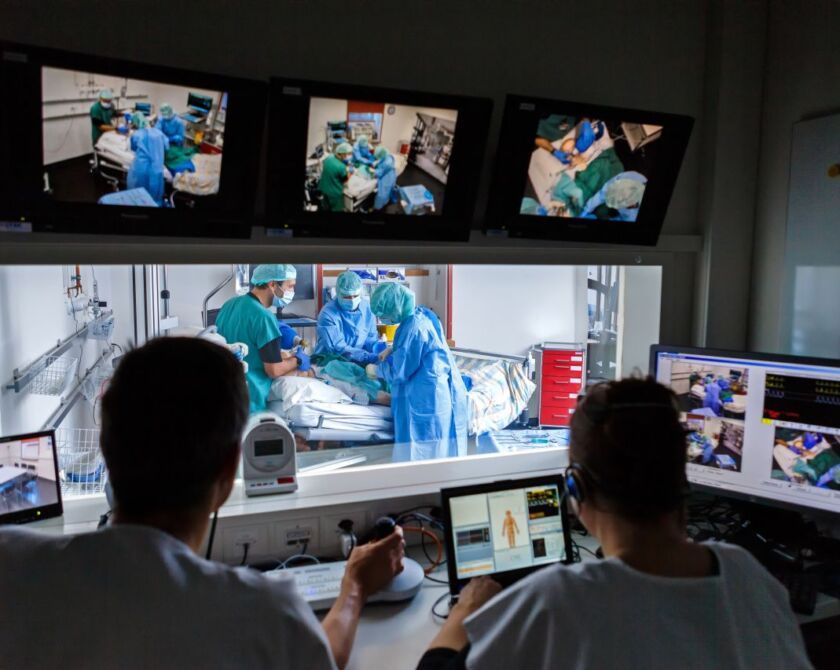
Selected editions add live video, trauma bay simulation or a military session. The mix of formats and specialist content follows the learning priorities of each course.
TEACHING FORMATS & SPECIALIST SESSIONS
Work through clinical scenarios with faculty and colleagues from different specialties. Discuss assessment, treatment priorities, surgical timing and subsequent care, and explain the reasoning behind each decision.
Live video brings the operating environment into the learning experience, connecting observation with expert discussion.
Simulation creates an opportunity to practise communication, coordination and decision-making in a trauma team.
Explore blast and penetrating injuries, severe bleeding and team coordination when evacuation is delayed or resources are limited.
SWISS KNIFE describes a Swiss civil–military simulation initiative using realistic injury make-up and patient simulators to practise haemorrhage control, airway management and teamwork. Pilot sessions took place at the Zurich Polytrauma Course in September 2025.
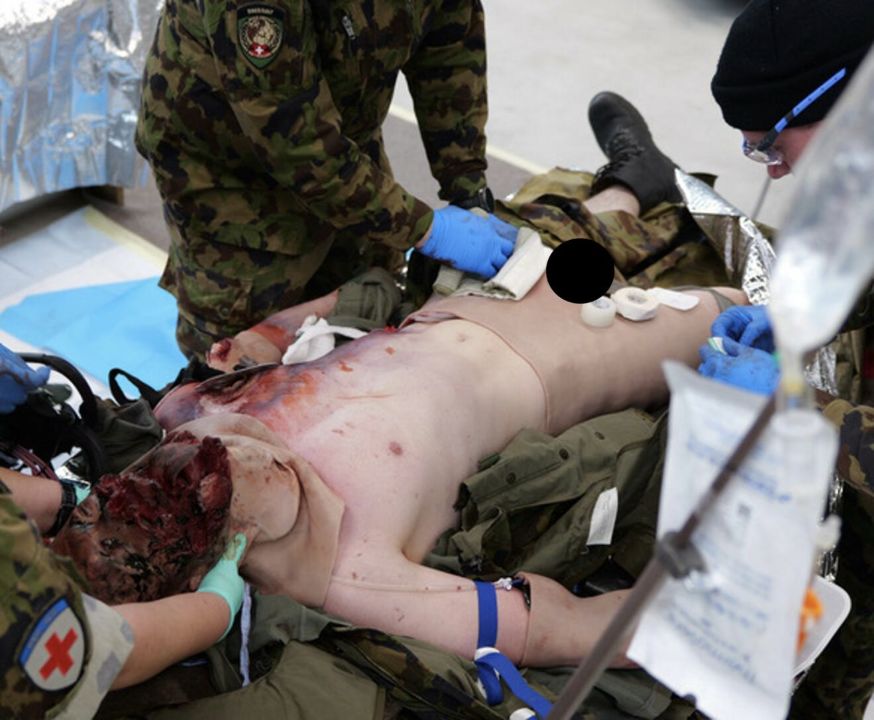
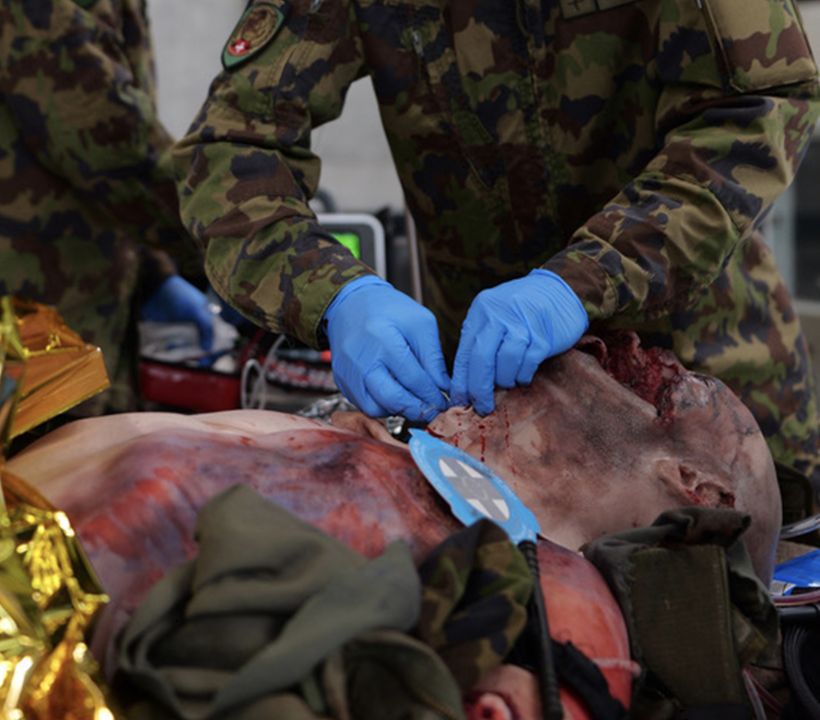
Screenshots from SWISS KNIFE · 19 March 2026. Images show simulated injuries.
The article presents early experience from an ongoing study; its findings are preliminary.
Read the SWISS KNIFE articleThe individual programme sets out the topics, formats and timetable for each edition.
 THE PODCAST
Many disciplines. One conversation.
Listen. Reflect. Keep learning.
Precongress course & ECTES 2027
Part of the
Swiss Pelvic &
Acetabular Course
Join us ahead of ECTES 2027 for focused learning in pelvic trauma and polytrauma. Follow the course website for programme and registration updates.
Course details & updates –
ESTES congress · Zurich, Switzerland
26th European Congress of Trauma and Emergency Surgery
United in expertise, driven to excellence.
The founders
Founded by Hans-Christoph Pape and Peter Giannoudis, connecting expertise across the trauma journey.
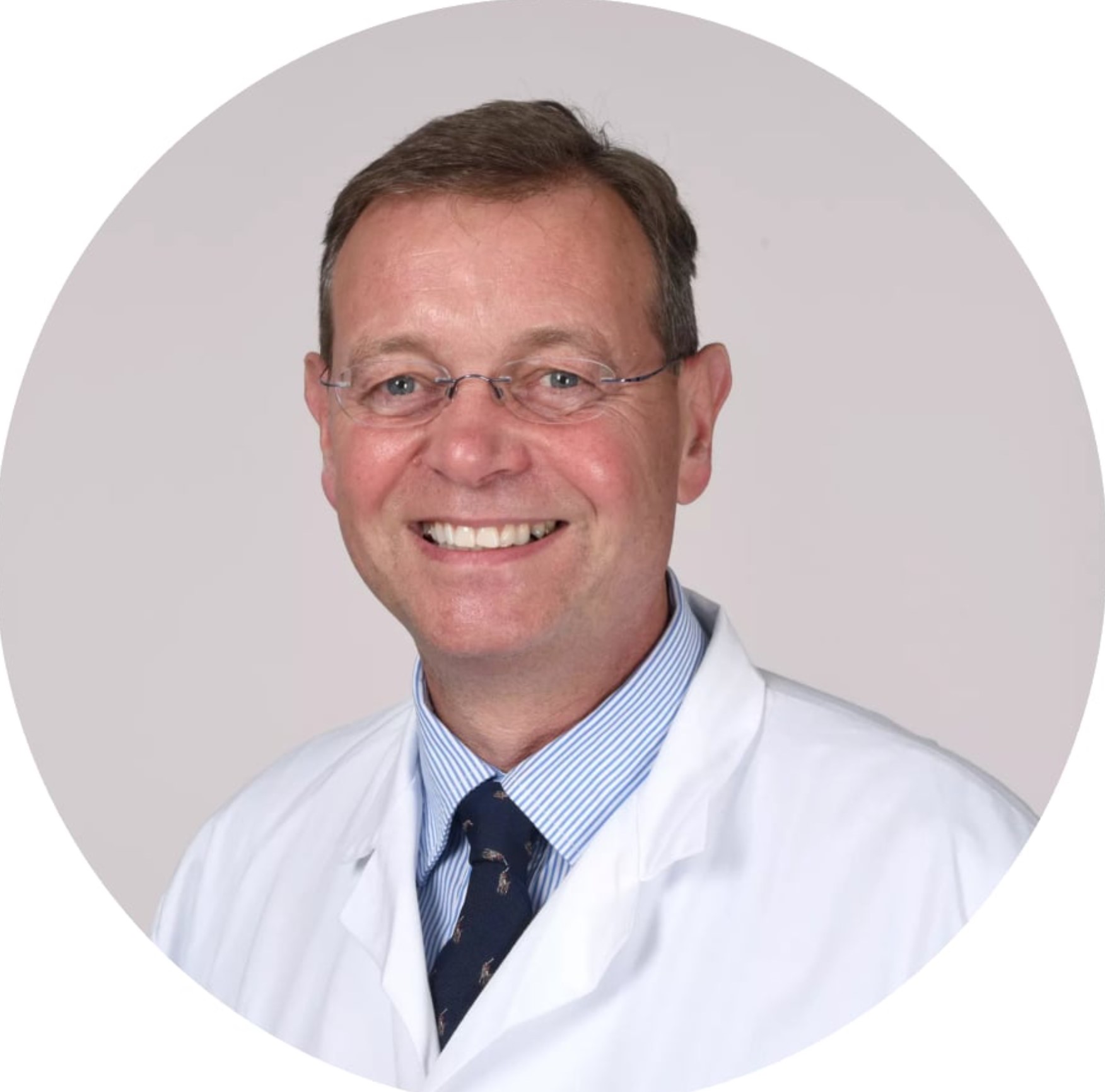
Co-founder
University Hospital Zurich · University of Zurich
Zurich, Switzerland
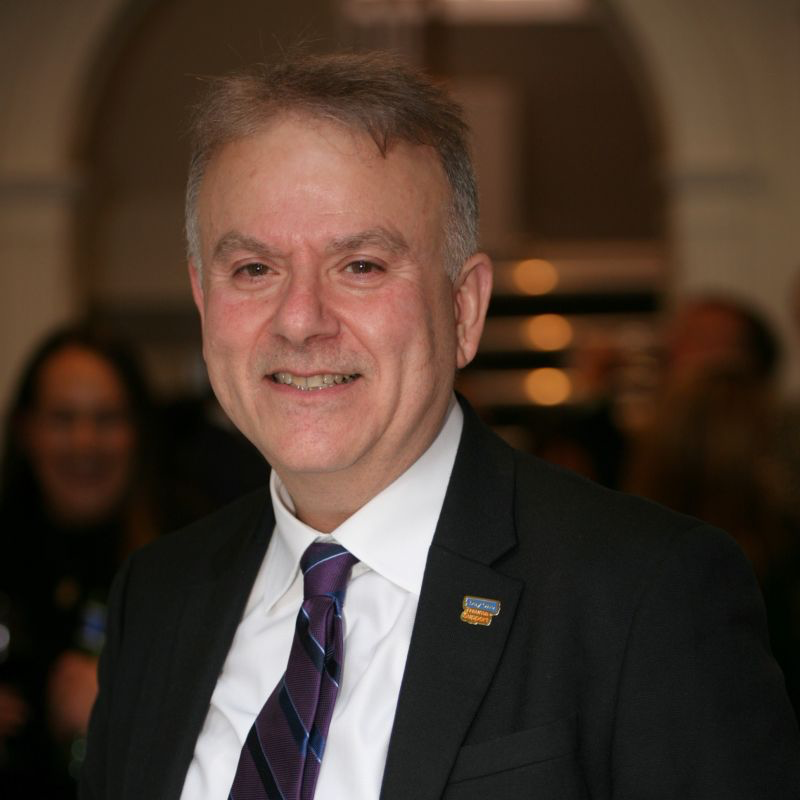
Co-founder
University of Leeds · Leeds General Infirmary
Leeds, United Kingdom
The international board
Experience across disciplines,
institutions and borders.
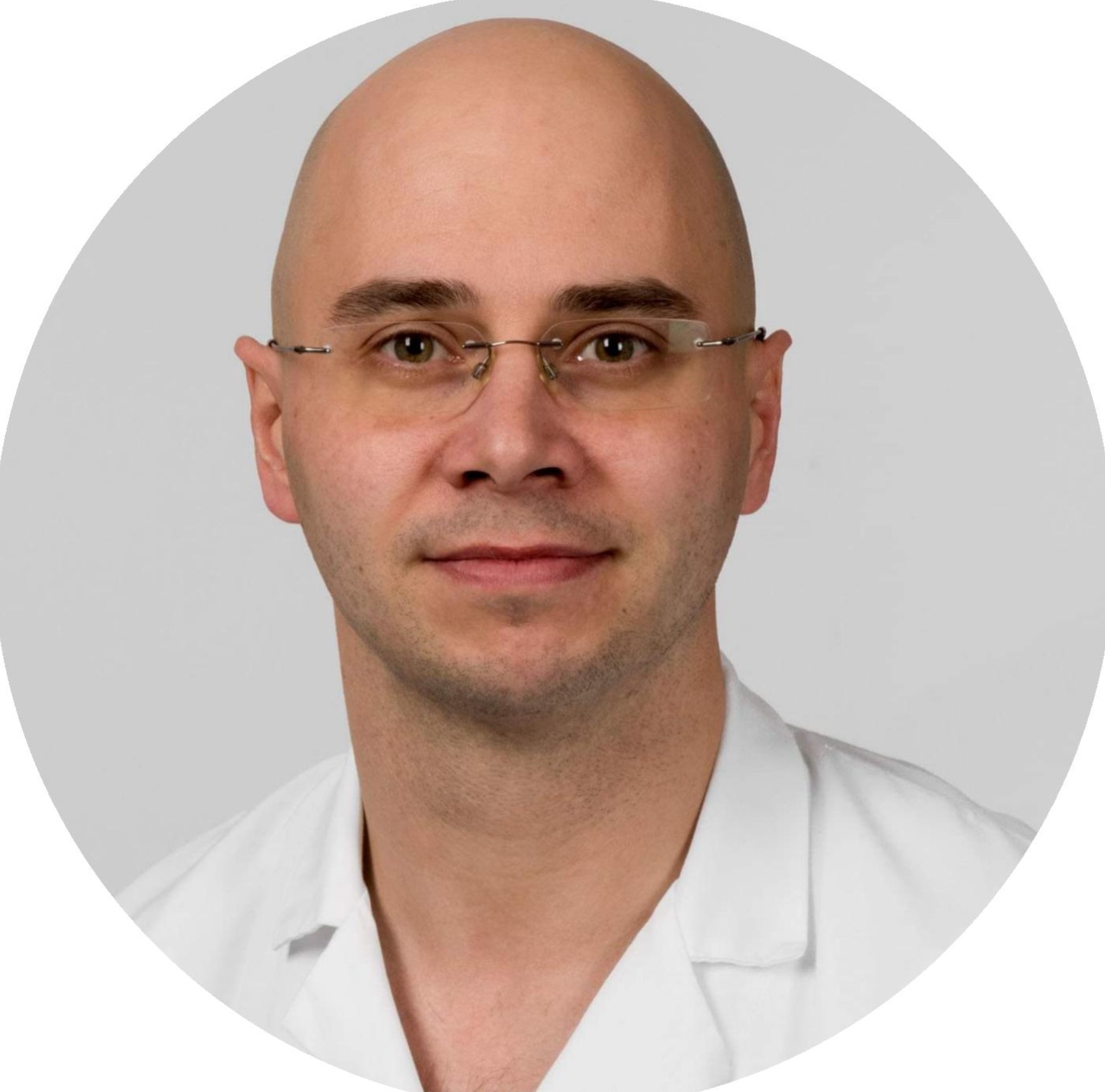
Department of Traumatology
University Hospital ZurichZurich, Switzerland
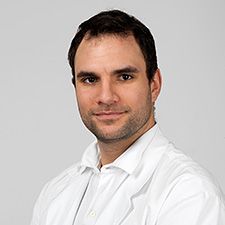
Department of Traumatology
University Hospital ZurichZurich, Switzerland
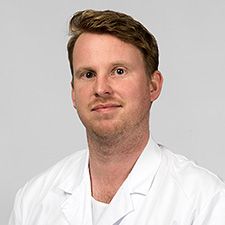
Department of Traumatology
University Hospital ZurichZurich, Switzerland
Department of Traumatology
Oslo University Hospital, Ullevål · University of OsloOslo, Norway
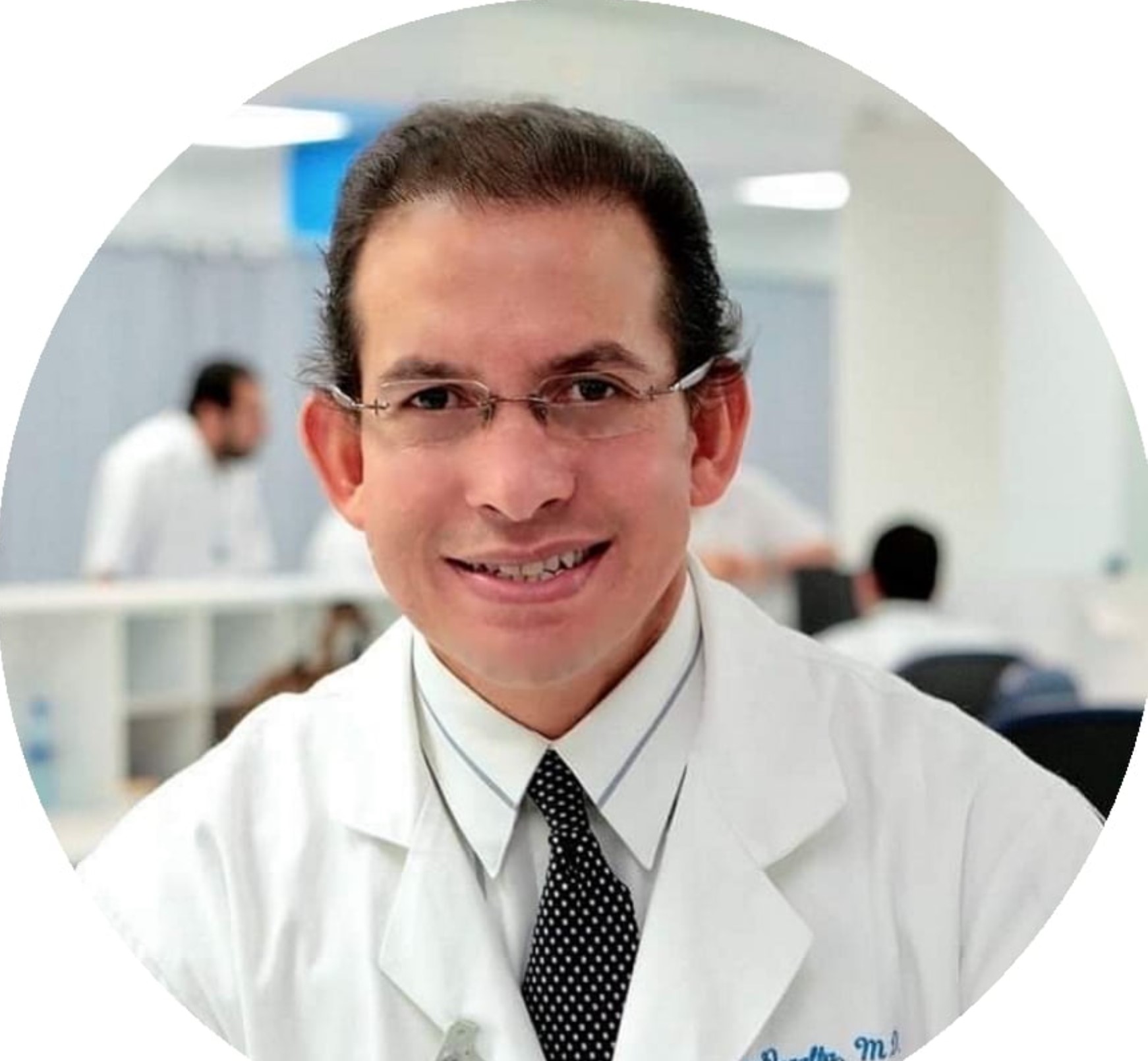
Trauma Surgery
Hamad General Hospital · Hamad Medical CorporationDoha, Qatar
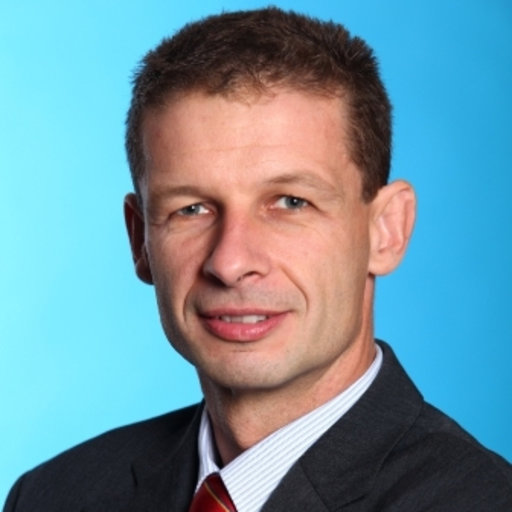
Surgery & Trauma Services
John Hunter Hospital · University of NewcastleNewcastle, Australia
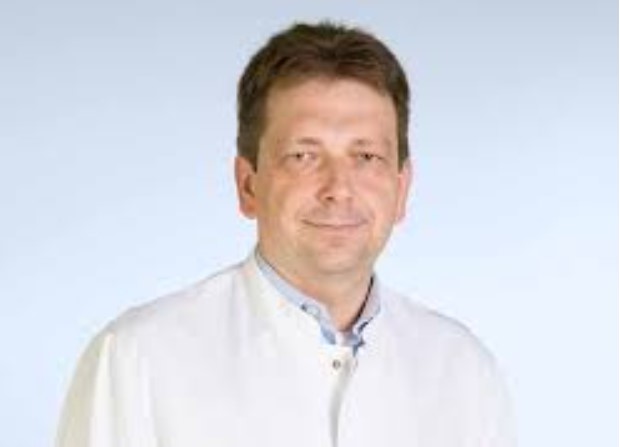
Orthopaedics, Trauma & Reconstructive Surgery
RWTH Aachen University HospitalAachen, Germany

Professor Emeritus of Surgery
University of ZurichZurich, Switzerland
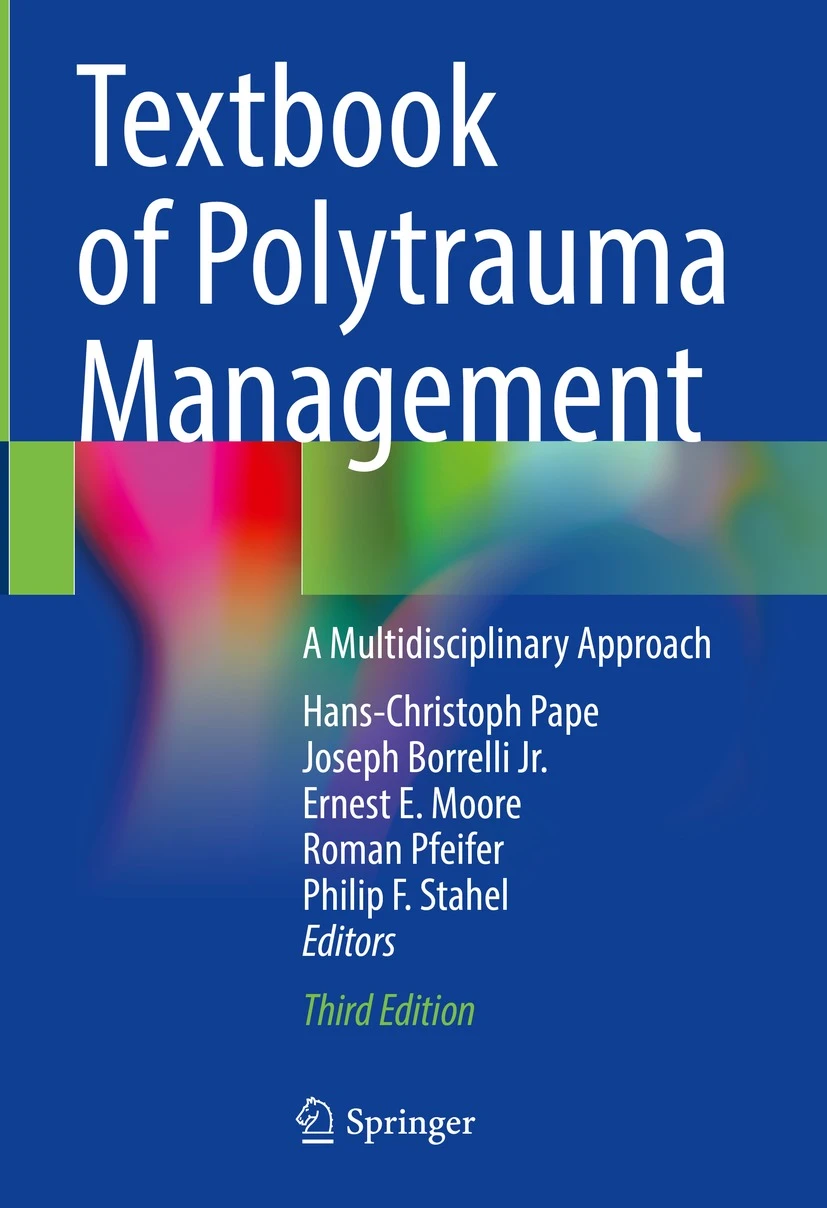
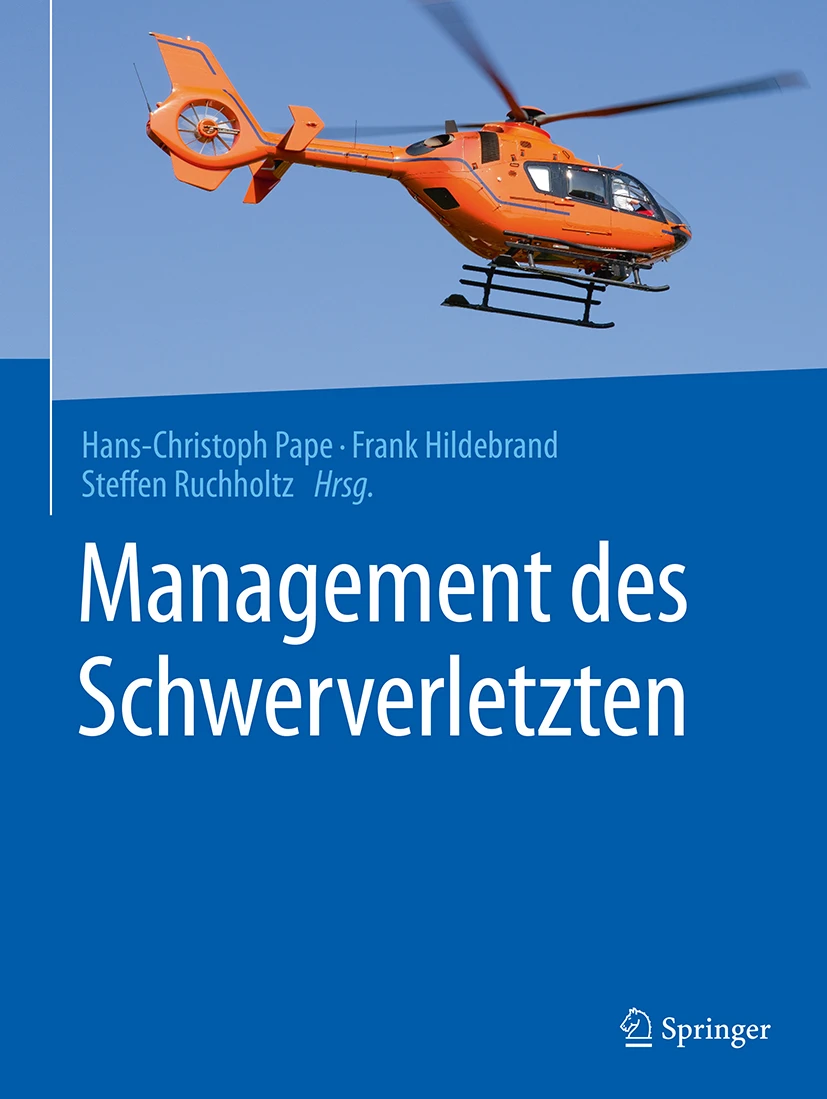 CONTINUE THE CONVERSATION
The learning continues
Explore the course reading library: textbooks, research papers and perspectives on the care of severely injured patients.
Explore learning resourcesKnowledge shared. Care advanced.