Trauma AcademySTMC Course
STMC — Spinal Trauma Major Complications Course

Fifth edition · December 2027

Spinal trauma.
Major complications.
Shared expertise.

Prepare for the critical moments in spine and trauma surgery. One day of interdisciplinary learning, hands-on practice and realistic scenarios.

STMC / 2027THE FIFTH EDITION

From the cervical spine
to the spinopelvic region.

SYMPOSIUM · WETLAB · SCENARIOS
Next course
FormatOne day. Three learning settings.
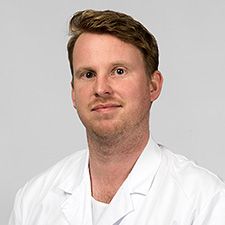
Course organiserDr. Michel Teuben

The Spinal Trauma Major Complications Course

Prepared for complexity.
Connected across disciplines.

A multidisciplinary educational programme dedicated to the major complications encountered in spine and trauma surgery.

Previously organised in Vienna and Zurich, STMC returns for its fifth edition in December 2027. The course covers the entire spine, from the cervical spine to the spinopelvic region, connecting complications of spinal injuries with the wider needs of patients with polytrauma.

Alongside injury-related challenges, the programme addresses iatrogenic and implant-related complications during surgery. Its purpose is to bridge theoretical knowledge and practical application, strengthening surgical preparedness, interdisciplinary collaboration and patient safety.

The one-day programme

Understand it.
Practise it. Bring it together.

Three complementary settings connect expert discussion, technical practice and teamwork.

01

Morning / Symposium

Recognise. Anticipate. Discuss.

Expert lectures and interactive case discussions bring different specialties around the same clinical challenges. The focus is on prevention, early recognition and the management of major complications.

  • Vascular injuries and haemorrhage
  • Dural lesions and organ injuries
  • Haemodynamic instability
02

Afternoon / Wet laboratory

Rehearse the critical skills.

Participants rotate through practical stations combining surgical skills training, perfused-organ models, and 3D and augmented reality visualisation. The laboratory connects anatomical understanding with hands-on preparation.

  • Emergency surgical approaches
  • Technical skills at rotating stations
  • Management of complex complications
03

Closing / Scenario training

Decide together. Act as a team.

Realistic scenarios bring the course themes together. Teams practise decision-making, interdisciplinary communication and crisis management when a complication changes the course of an operation.

  • Shared surgical decisions
  • Communication across disciplines
  • Coordinated crisis management

Programme outline · Detailed timetable and faculty to be announced.

Across the entire spine

Critical complications.
A shared field of view.

Clinical and surgical challenges are explored through lectures, cases, practical stations and scenarios.

01

Vascular injury & haemorrhage

Complications involving major vessels and bleeding, and the interdisciplinary response they require.

02

Dural & neural structures

Dural lesions and the challenges of recognising and managing complications around vulnerable spinal structures.

03

Organ injury

Injuries to adjacent organs and the importance of bringing the appropriate surgical expertise into the response.

04

Implants & iatrogenic complications

Problems arising during surgery or in relation to implants, from recognising a complication to discussing management options.

05

Spinal injury in polytrauma

Concurrent injuries, competing priorities and coordination across teams caring for the multiply injured patient.

06

Haemodynamic instability

Decision-making and team communication when a patient becomes unstable during a complex procedure.

Who the course is for

Specialist expertise.
Interdisciplinary thinking.

For surgeons and multidisciplinary teams involved in spine and trauma surgery who want to strengthen their preparation for major complications.

What the course aims to develop

  • Anticipation & recognitionDiscuss how complications can be prevented and recognised across different surgical settings.
  • Practical preparednessRehearse technical skills and emergency approaches in a structured laboratory setting.
  • Collaborative decisionsPractise bringing clinical priorities and complementary expertise into a coordinated response.
  • Team communicationDevelop shared situational awareness and communication during realistic crisis scenarios.

Course organisation

The person
bringing it together.

Plan your participation

December 2027.
The fifth STMC Course.

One day bringing together a multidisciplinary symposium, an interactive wet laboratory and scenario-based training.

Course month
Exact date & venue
To be announced
Programme & registration
Further details will be published here.
Organiser
Dr. Michel Teuben

Part of Trauma Academy

Keep learning.
Across the trauma journey.